Solar Microgrid System in India – Design, Cost & Verified Installers
Reliable, clean power where the grid is weak, costly or absent. A solar microgrid combines solar panels, battery storage and smart control to power a village, island, resort, campus or factory, on its own or alongside the grid.
- ✓Free feasibility study and load assessment
- ✓Compare proposals from verified microgrid EPCs
- ✓Support with Model Solar Village, PM-KUSUM and state schemes
Get Free Microgrid Consultation
What is a
Solar Microgrid?
A solar microgrid is a small, local power network that generates electricity from solar panels, stores it in batteries, and distributes it to a defined group of users, such as a village, campus or industrial site. It can run independently of the main grid ("islanded mode") or connect to it ("grid-connected mode").
Unlike a single rooftop system that powers one building, a microgrid serves many buildings or users through its own distribution network, with a controller that balances generation, storage and demand in real time. Many microgrids also include a backup source such as a diesel generator, biomass or wind turbine.
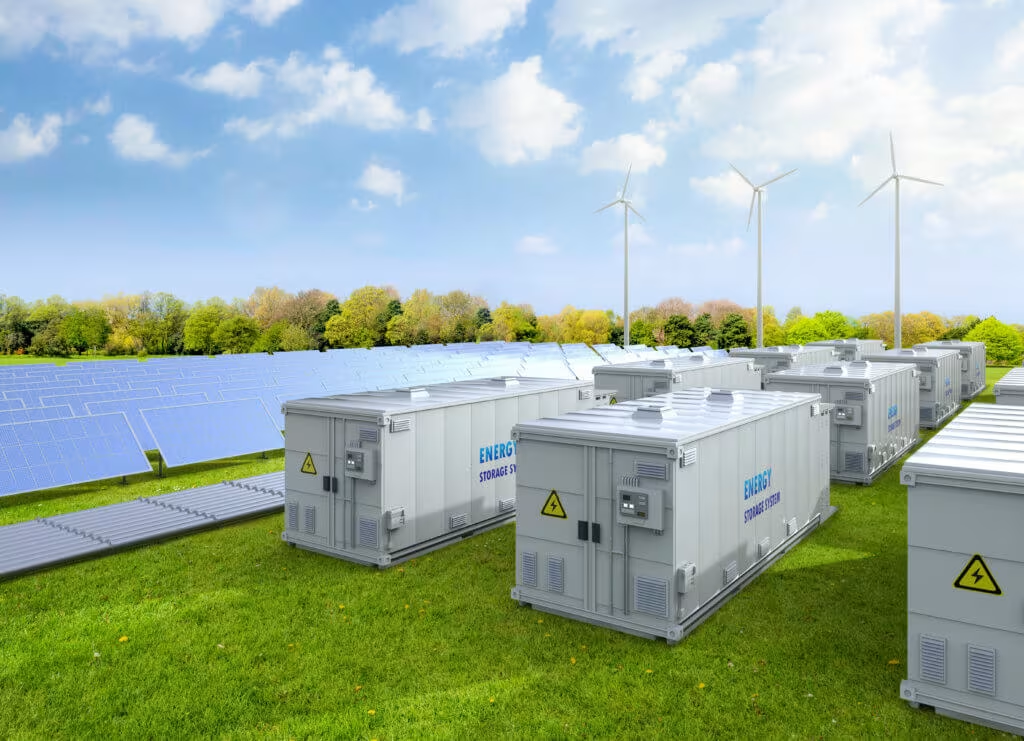
Reliable Solar Microgrid Solutions
Integrated solar, battery storage and smart energy management for reliable and efficient power supply.
How a Solar Microgrid Works
A solar microgrid combines solar generation, battery storage, intelligent control and a local distribution network to provide reliable power for connected users.
Solar PV Array
Generates solar electricity
Inverter / PCS
Converts and manages power
Distribution Network
Supplies connected users
Battery Energy Storage System
Stores surplus solar for evenings, nights and cloudy days.
Microgrid Controller / EMS
Balances generation, storage and demand in real time.
Backup Source
Optional diesel, biomass or wind backup for extended needs.
Solar PV → Inverter / PCS → Distribution Network → Consumers | Battery, EMS and backup source support the microgrid.
| Component | Role |
|---|---|
| Solar PV array | Generates DC electricity during the day |
| Battery energy storage system (BESS) | Stores surplus solar for evenings, nights and cloudy days; lithium-ion (LFP) is now standard |
| Inverter / power conversion system | Converts DC to AC; grid-forming inverters create a stable voltage and frequency when the microgrid runs islanded |
| Microgrid controller / energy management system (EMS) | The "brain": decides when to charge, discharge, start the backup generator or trade with the grid |
| Backup source (optional) | Diesel generator, biomass gasifier or wind turbine for long cloudy spells or peak loads |
| Distribution network | Low-voltage lines or cables that carry power to each consumer |
| Smart meters | Measure each user's consumption; prepaid meters are common in village microgrids |
| Remote monitoring | Real-time data on generation, battery health and faults via mobile or web dashboard |
Islanding: How a Microgrid Works During a Grid Failure
Islanding: when the main grid fails, a grid-connected microgrid detects it and disconnects safely ("islanding"), then keeps supplying its own users from solar and batteries. When the grid returns, it resynchronises automatically.
Types of Microgrids
Microgrids can be classified by their grid connection, current type and energy sources based on the site's power requirements.
| Classified by | Type | Best for |
|---|---|---|
| Connection | Grid-connected microgrid | Campuses, industries, hospitals wanting backup and lower bills |
| Connection | Islanded / off-grid microgrid | Remote villages, islands, border areas, mines |
| Current | AC microgrid | Most commercial and village systems; standard appliances |
| Current | DC microgrid | Small lighting and phone-charging grids, telecom, data centres |
| Current | Hybrid AC/DC microgrid | Sites with both DC loads (EVs, telecom) and AC loads |
| Energy sources | Solar + battery | Most Indian sites |
| Energy sources | Solar + battery + diesel (hybrid) | Sites replacing heavy diesel use; resorts, islands, telecom |
| Energy sources | Solar + wind / biomass / hydro | Coastal, agricultural or hilly sites with a second resource |
Microgrid vs Mini-grid vs Off-grid vs Smart Grid
Understand the key differences between off-grid systems, microgrids, mini-grids and smart grids based on their users, scale, grid connection and control systems.
| Feature | Off-grid system | Microgrid | Mini-grid | Smart grid |
|---|---|---|---|---|
| Serves | One building | A cluster (campus, village, site) | A larger community, often with many customers | A whole utility network |
| Typical size (India) | Up to ~10 kW | ~10 kW to a few MW | Generally above 10 kW, community-scale | Utility-scale |
| Grid connection | None | Optional (can island) | Usually none; can connect later | Yes |
| Own distribution lines | No | Yes | Yes | Yes |
| Controller / EMS | Basic | Yes | Yes | Advanced, utility-wide |
Note: In India the terms "micro-grid" and "mini-grid" are often used loosely; some state policies define them by capacity. Keep the wording flexible.
Where Solar Microgrids Are Used
Solar microgrids can provide reliable and flexible power for communities, businesses, critical facilities and remote areas.
Villages and rural communities
Reliable 24×7 power where grid supply is poor; powers homes, shops, mills, irrigation

Islands and remote areas
Andaman, Lakshadweep, Himalayan villages. Replaces costly diesel shipped in; cleaner and cheaper over time

Resorts, eco-lodges and homestays
Reliable, quiet power; strong green-tourism story

Educational and corporate campuses
Backup, lower bills, sustainability goals, EV charging

Industries and MSME clusters
Cut DG use during outages; manage peak demand charges

Hospitals and health centres
Uninterrupted power for critical equipment and cold chain

Telecom towers
Replace diesel at off-grid or weak-grid towers

Agriculture: cold storage, irrigation, food processing
Solar cold rooms and pumps reduce spoilage and diesel costs

Defence, border posts and disaster relief
Energy security independent of long supply lines
Benefits and Limitations
Solar microgrids offer reliable and flexible power, but their design should also account for costs, maintenance and regulations.
Benefits
Reliable power during grid outages
Lower diesel use and fuel cost
Clean energy and lower emissions
Local control and energy independence
Scalable: add solar or storage as demand grows
Supports productive use: pumps, mills, cold storage
Limitations to Plan For
Higher upfront cost than a simple on-grid system (battery + controls)
Battery replacement is needed during the plant's life
Needs skilled O&M, especially in remote areas
Village microgrid tariffs must be affordable, so a sound business model matters
Regulations for selling power to third parties vary by state
If the main grid arrives, the design must allow grid connection
Solar Microgrid Cost in India
Solar microgrid costs vary by system size, battery capacity, distribution network, controls and site conditions. The ranges below are indicative planning estimates, not final quotations.
| Microgrid size | Typical use | Battery storage (typical) | Indicative cost* |
|---|---|---|---|
| 10 – 30 kW | Small hamlet, resort, health centre | 1–2× daily solar energy | ₹25 lakh – ₹1.2 crore |
| 30 – 50 kW | Village (100–200 households + shops) | As above | ₹75 lakh – ₹2 crore |
| 50 – 250 kW | Large village, campus, island community | As above | ₹1.25 crore – ₹10 crore |
| 250 kW – 1 MW+ | Industry, large campus, island grid | Designed to load profile | ₹6.25 crore – ₹40 crore+ |
*Indicative planning ranges only. Actual project cost depends on battery size, battery chemistry, distribution network, controller and metering, backup source, site access, civil works and O&M requirements. CEEW's review of Indian rural mini-grid case studies reported an average capex of about ₹2.93 lakh per kW.
What drives the cost?
Hours of backup required (battery size is often the largest cost), battery chemistry, whether a diesel or other backup is integrated, length of the distribution network, controller and metering sophistication, site access (islands and hills cost more), and O&M contract length.
How to lower it
Match battery size to the real evening load, use existing diesel sets as backup instead of oversizing storage, prioritise daytime productive loads, and check eligibility for government and CSR support.
Government Support for Microgrids in India
Depending on the application and location, solar microgrid projects may benefit from central schemes, state policies, CSR funding and development finance.
Model Solar Village
Under PM Surya Ghar, the Model Solar Village component has a total outlay of ₹800 crore and provides ₹1 crore of central financial assistance to one selected village in each district. Eligible villages compete based on renewable energy capacity added under the programme.
PM-KUSUM
PM-KUSUM supports decentralised renewable-energy plants, standalone solar agricultural pumps and solarisation of grid-connected agricultural pumps and feeders. These components can support agricultural and decentralised energy applications that form part of a wider microgrid.
State policies
Several states have policies covering mini-grids, microgrids or decentralised renewable energy. Eligibility, capacity limits, incentives and electricity-sale rules can differ by state, so check the current policy and applicable regulatory provisions before planning a project.
CSR and development finance
Village and community energy projects may also be supported through CSR programmes, foundations and development finance institutions. Funding availability and eligibility depend on the project, implementing organisation and applicable programme requirements.
UrjaOne vendors can help structure project proposals and identify suitable implementation partners.
Important: Scheme availability, eligibility, funding limits and state-level provisions can change. Always verify the current guidelines with the relevant government department or official scheme portal before making investment or project decisions.
Microgrids in India: Real Examples
Solar and renewable microgrid projects across India show how decentralised energy can support villages, businesses and communities with reliable local power.
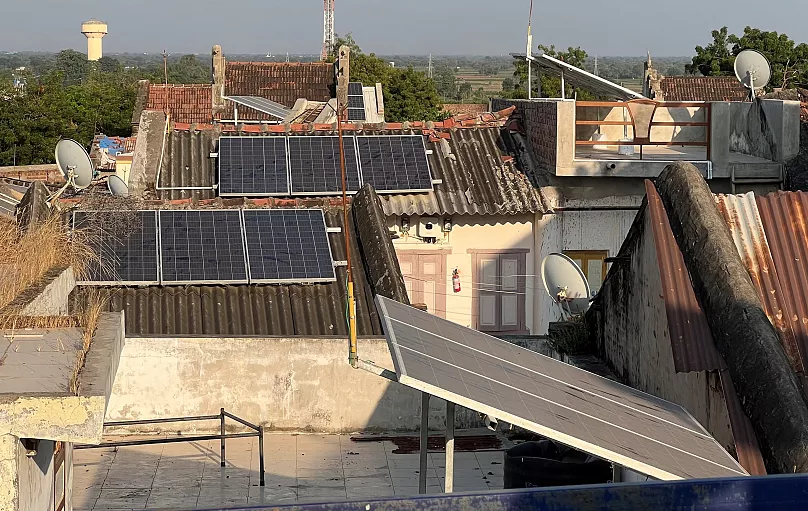
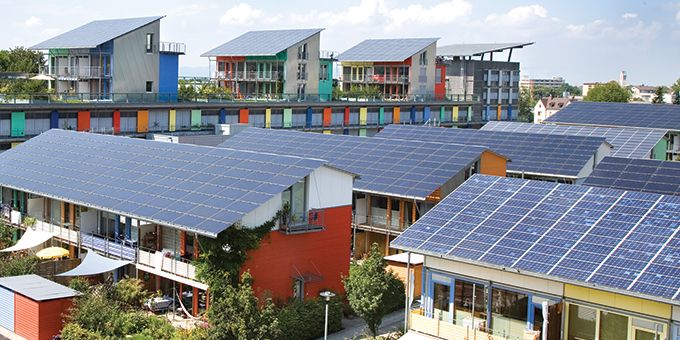
India's first 24×7 solar-powered village
Modhera was declared India's first 24×7 solar-powered village. The project combines a 6 MW ground-mounted solar PV plant, more than 1,300 rooftop solar systems and a 15 MWh battery energy storage system.
Community solar microgrid
In 2014, Dharnai became an early example of a village solar microgrid in Bihar. The 100 kW system was reported to provide electricity to more than 2,400 people in the village.
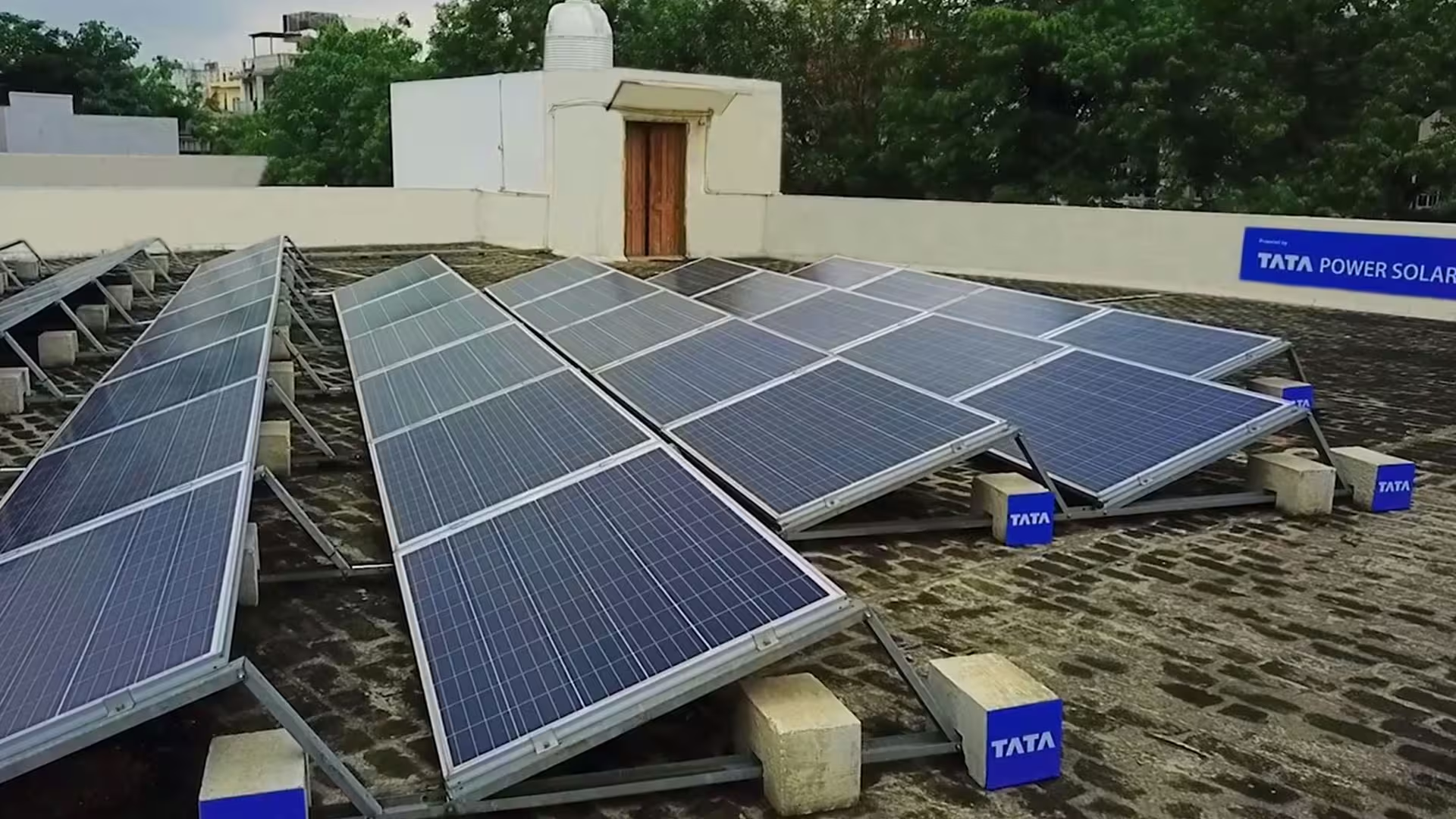
Rural renewable microgrids
TP Renewable Microgrid has deployed renewable microgrids across rural communities in Uttar Pradesh and Bihar, supplying clean and reliable electricity to households, shops, farmers and rural enterprises.
Microgrid Projects from UrjaOne Vendors
Add verified UrjaOne vendor projects here with the project site, installed capacity, battery storage, diesel savings, households or users served and project photographs.
Project 01
Project Site
Site: Add verified project location
Capacity: Add kW / MW
Storage: Add kWh / MWh
Project 02
Project Site
Site: Add verified project location
Capacity: Add kW / MW
Users served: Add verified number
Project 03
Project Site
Site: Add verified project location
Capacity: Add kW / MW
Diesel saved: Add verified figure
How a Microgrid Project Works with UrjaOne
From enquiry and feasibility to installation, monitoring and AMC, follow the complete microgrid project process with UrjaOne.
Enquiry and Requirement Capture
Location, users, loads, existing diesel or grid supply, budget.
Feasibility and Load Study
Site visit, solar resource, daily and hourly load profile, growth plans.
Design Options
Verified EPCs propose solar size, battery size, backup and distribution design, with cost and payback.
Compare and Select
Compare proposals side by side on UrjaOne; choose the EPC and financing (CAPEX, OPEX/RESCO, CSR, grant).
Approvals
DISCOM, electrical inspectorate and scheme applications where relevant.
Installation and Commissioning
Typically 4–12 weeks after approvals, depending on size and site access.
Operation, Monitoring and AMC
Remote monitoring, preventive maintenance, battery health checks, tariff collection support for community grids.
Leading Microgrid Players in India
An informative overview of leading microgrid developers, technology providers and EPC companies working across India's decentralised energy market. This is not a ranking. Details are based on public sources and should be re-checked before publishing.
| Sr No. | Company | Type | Microgrid Focus in India |
|---|---|---|---|
| 01 | Tata Power Renewable Microgrid (TPRMG) | Developer-operator | Tata Power subsidiary set up in 2019 with the Rockefeller Foundation, targeting 10,000 microgrids; hundreds commissioned in UP and Bihar; plug-and-play systems from 30 kW. |
| 02 | OMC Power | Developer-operator | Gurugram-based; 400+ solar microgrids (36–50 kW) across 18 districts of Uttar Pradesh; profitable in FY 2025-26; targeting 1 GWp of distributed clean energy. |
| 03 | Husk Power Systems | Developer-operator | Solar-hybrid mini-grids in Bihar and Uttar Pradesh since 2008, combining solar, batteries and biomass. |
| 04 | Mlinda | Developer (social enterprise) | Solar mini-grids in Jharkhand focused on productive use and women's livelihoods. |
| 05 | Mera Gao Power | Developer-operator | Pioneer of low-cost DC microgrids in Uttar Pradesh; 1,500+ small grids built for household lighting and charging. |
| 06 | Gram Power | Technology + developer | Smart microgrids with prepaid smart meters; first installation in Rajasthan (2012). |
| 07 | SELCO India | Decentralised solar provider | Bengaluru-based since 1995; decentralised solar solutions for underserved homes, enterprises and health centres. |
| 08 | Schneider Electric India | Technology provider | EcoStruxure Microgrid platform: controllers, hybrid inverters and microgrid software for commercial and industrial sites. |
| 09 | Hitachi Energy India | Technology provider | e-mesh microgrid control and PowerStore battery systems for islands, mining and industry. |
| 10 | Sterling and Wilson Renewable Energy | EPC (large-scale) | Solar-hybrid and battery storage EPC; won what was reported as India's largest battery storage project (1 GWh) in 2024. |
Note: Some companies listed here are community-grid developers or technology providers rather than contractors for every type of microgrid project. UrjaOne can help buyers identify and compare suitable project partners based on their requirements.
Why UrjaOne Is the Right Platform for Microgrids
Microgrids are complex, multi-vendor projects, and UrjaOne is built to simplify the process of finding, comparing, and managing the right energy partners.
One Platform, Every Component
Access solar EPC, battery storage, hybrid inverters, DG synchronisation, EMS and AMC from verified vendors through one platform instead of managing multiple suppliers yourself.
Compare, Don't Guess
Get multiple proposals with system size, storage hours, backup design, cost and payback presented side by side for easier comparison.
Brand-Neutral Advice
No single-brand bias. The recommended system design is based on your load, site conditions and project requirements , rather than a fixed product catalogue.
Free Feasibility Support
Get support with load study, solar resource checks and first-cut system sizing before committing to a microgrid project.
Scheme and Financing Guidance
Guidance for relevant options including Model Solar Village, PM-KUSUM, state DRE policies, CSR funding, CAPEX and RESCO models .
Lifetime Support
Continue your project with monitoring, preventive maintenance and battery health checks through UrjaOne AMC partners.
Pan-India Reach
Connect with verified vendors across states , including partners equipped to support projects in remote and difficult locations.
End-to-End Project Coordination
Simplify complex microgrid projects with support across vendor coordination, project requirements, proposals, installation, commissioning and ongoing service .
Frequently Asked Questions
Find answers to common questions about microgrid systems, installation, battery storage, renewable energy integration, operation, and maintenance.
What is a solar microgrid?
A solar microgrid is a local power network that generates electricity from solar panels, stores it in batteries and distributes it to a group of users. It can run on its own or alongside the main grid.
What is the difference between microgrid and a mini-grid?
Both are local power networks. "Mini-grid" usually describes a larger community-scale system serving many customers; "microgrid" is also used for campus and industrial systems that can connect to the main grid. In India the terms are often used interchangeably.
Can a microgrid work when the main grid fails?
Yes. A grid-connected microgrid can detect an outage, disconnect from the grid through islanding and continue supplying its users from available solar generation and battery storage.
Which battery is best for a solar microgrid?
Lithium iron phosphate (LFP) batteries are commonly considered for modern solar microgrids because of their long cycle life, deep-discharge capability and relatively low maintenance requirements. The appropriate battery depends on capacity, backup duration, operating conditions and budget.
Is there a government subsidy for solar microgrids?
There is no single universal subsidy that applies to every solar microgrid project. Government support can depend on the application, location and applicable scheme. Some government programmes support selected village, agricultural or remote-area solar projects, subject to eligibility and applicable guidelines.
What maintenance does a microgrid need?
Regular maintenance can include solar panel cleaning, battery and inverter checks, remote monitoring, periodic protection tests, electrical inspections and planned battery replacement when required.
How is a microgrid different from an off-grid solar system?
An off-grid system typically powers a single building. A microgrid can power many buildings or users through its own distribution network and uses a controller to balance generation, storage and demand, with optional connection to the main grid.
How much does a solar microgrid cost in India?
Solar microgrid costs vary significantly depending on system capacity, battery storage, backup duration, distribution network, site conditions, equipment and installation requirements. Published project costs can vary widely, so compare proposals on UrjaOne for the requirements of your specific project.
How long can a microgrid run at night?
It depends on the battery size and the connected load. Microgrids can be designed to cover evening and night-time loads, while additional backup generation may be used for extended cloudy periods or higher energy demand.
Can a microgrid include a diesel generator?
Yes. A solar microgrid can integrate an existing diesel generator as a backup source. The microgrid controller can coordinate solar, battery storage and backup generation according to system requirements.
How long does it take to install a microgrid?
Installation time depends on the system size, design, approvals, equipment availability, site conditions and access. After design and required approvals, the installation schedule is planned according to the specific project requirements.
Who owns and operates a village microgrid?
A village microgrid can be owned and operated under different models, including community-based ownership, a panchayat-supported model, a private developer model, or a CSR-supported arrangement. The ownership, tariff and operating responsibilities should be defined before the project is designed.
What is a solar microgrid?
A solar microgrid is a local power network that generates electricity from solar panels, stores it in batteries and distributes it to a group of users. It can run on its own or alongside the main grid.
How is a microgrid different from an off-grid solar system?
An off-grid system typically powers a single building. A microgrid can power many buildings or users through its own distribution network and uses a controller to balance generation, storage and demand, with optional connection to the main grid.
What is the difference between a microgrid and a mini-grid?
Both are local power networks. "Mini-grid" usually describes a larger community-scale system serving many customers; "microgrid" is also used for campus and industrial systems that can connect to the main grid. In India, the terms are often used interchangeably.
How much does a solar microgrid cost in India?
Solar microgrid costs vary significantly depending on system capacity, battery storage, backup duration, distribution network, site conditions, equipment and installation requirements. Published project costs can vary widely, so compare proposals on UrjaOne for the requirements of your specific project.
Can a microgrid work when the main grid fails?
Yes. A grid-connected microgrid can detect an outage, disconnect from the grid through islanding and continue supplying its users from available solar generation and battery storage.
How long can a microgrid run at night?
It depends on the battery size and the connected load. Microgrids can be designed to cover evening and night-time loads, while additional backup generation may be used for extended cloudy periods or higher energy demand.
Which battery is best for a solar microgrid?
Lithium iron phosphate (LFP) batteries are commonly considered for modern solar microgrids because of their long cycle life, deep-discharge capability and relatively low maintenance requirements. The appropriate battery depends on capacity, backup duration, operating conditions and budget.
Can a microgrid include a diesel generator?
Yes. A solar microgrid can integrate an existing diesel generator as a backup source. The microgrid controller can coordinate solar, battery storage and backup generation according to system requirements.
Is there a government subsidy for solar microgrids?
There is no single universal subsidy that applies to every solar microgrid project. Government support can depend on the application, location and applicable scheme. Some government programmes support selected village, agricultural or remote-area solar projects, subject to eligibility and applicable guidelines.
How long does it take to install a microgrid?
Installation time depends on the system size, design, approvals, equipment availability, site conditions and access. After design and required approvals, the installation schedule is planned according to the specific project requirements.
What maintenance does a microgrid need?
Regular maintenance can include solar panel cleaning, battery and inverter checks, remote monitoring, periodic protection tests, electrical inspections and planned battery replacement when required.
Who owns and operates a village microgrid?
A village microgrid can be owned and operated under different models, including community-based ownership, a panchayat-supported model, a private developer model, or a CSR-supported arrangement. The ownership, tariff and operating responsibilities should be defined before the project is designed.
सोलर माइक्रोग्रिड क्या है?
सोलर माइक्रोग्रिड एक छोटा, स्थानीय बिजली नेटवर्क है जो सोलर पैनल से बिजली बनाता है, उसे बैटरी में जमा करता है और गांव, कैंपस या फैक्ट्री जैसे एक समूह तक पहुंचाता है। यह मुख्य ग्रिड के बिना भी चल सकता है और ग्रिड से जुड़कर भी।
किसके लिए उपयोगी है?
जिन गांवों में बिजली कम आती है, द्वीप और दूरदराज़ इलाके, रिसॉर्ट, स्कूल-कॉलेज कैंपस, अस्पताल, कोल्ड स्टोरेज और डीज़ल जनरेटर पर निर्भर उद्योग।
सरकारी सहायता
पीएम सूर्य घर योजना के "मॉडल सोलर विलेज" घटक के तहत हर ज़िले में एक विजेता गांव को ₹1 करोड़ की केंद्रीय सहायता मिलती है। सोलर माइक्रोग्रिड गांव की नवीकरणीय ऊर्जा क्षमता जल्दी बढ़ाने का सबसे अच्छा तरीका है।
लागत
लागत मुख्य रूप से सिस्टम के आकार और बैटरी बैकअप के घंटों पर निर्भर करती है। UrjaOne पर सत्यापित माइक्रोग्रिड कंपनियों से मुफ्त प्रस्ताव लें और तुलना करके सही चुनाव करें।
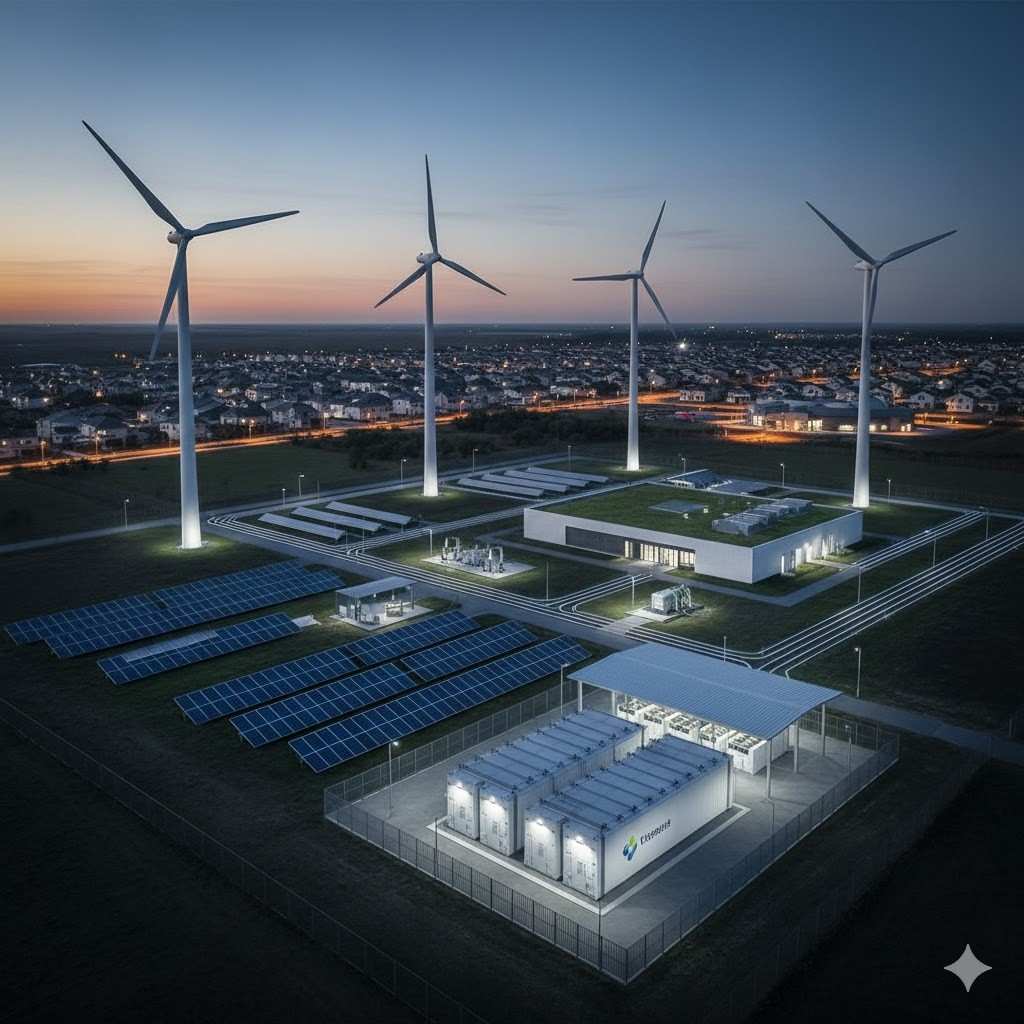
Local Solar Power with Battery Backup
सोलर पैनल, बैटरी और स्मार्ट कंट्रोल का संयोजन, जो गांव, कैंपस और फैक्ट्री जैसे समूहों को भरोसेमंद बिजली उपलब्ध कराता है।
What Our Clients Say?
Hear from businesses, institutions, and organizations about their experience with our reliable microgrid and clean energy solutions.
Let's Connect
Get in Touch
Get expert microgrid guidance and explore customized solar, battery storage, and smart energy solutions for your property or project.



Trusted Energy Experts for smarter microgrid solutions
Explore Related Solar & Energy Services
Explore our related solar, renewable energy, EV charging and energy solutions to find the right service for your home or business.