Net Metering: Sell Your Extra Solar Power and Slash Your Electricity Bills!
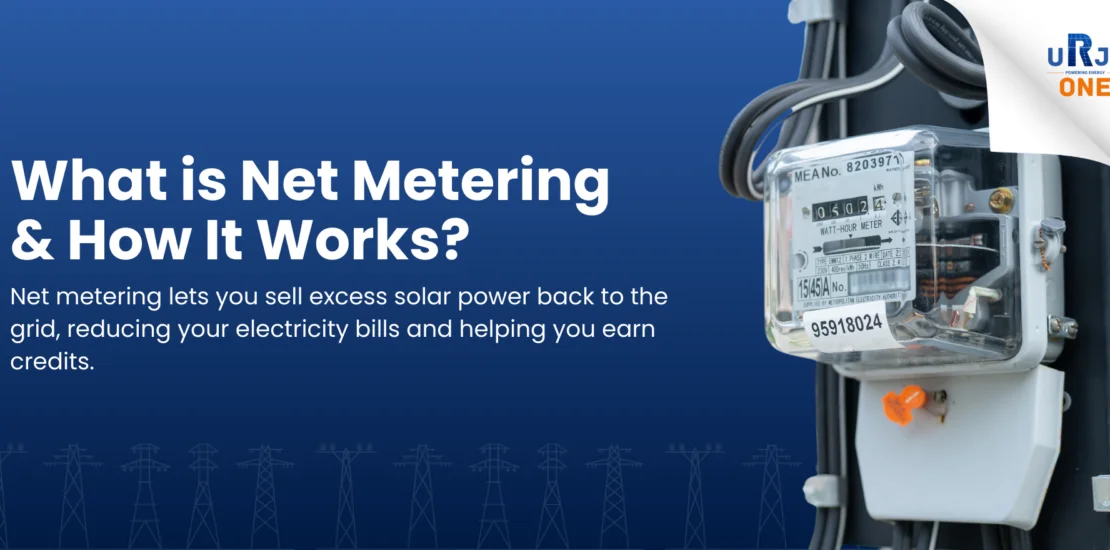
What is Net Metering & How It Works?
Net metering lets you sell excess solar power back to the grid, reducing your electricity bills and helping you earn credits.
Harnessing the power of the sun is becoming increasingly popular — and for good reason! Solar panels not only reduce your carbon footprint, but also cut down electricity bills significantly. But what happens to the extra solar energy your system generates? That’s where net metering plays a crucial role.
What is Net Metering?
Net metering is a billing mechanism that allows homeowners and businesses with solar panel systems to feed excess electricity back into the grid. Essentially, it turns your electricity meter into a two-way power tracker.
Here's how it works:
- Solar Power Generation: Your solar panels generate electricity during the day.
- Consumption: You use this solar power to run your appliances.
- Excess Power: Surplus electricity is fed back to the grid.
- Meter Reading: Your net meter measures power consumed and power supplied.
- Billing: Your bill reflects the net difference — energy consumed vs. energy exported.
The Benefits of Net Metering:
- Reduced Electricity Bills: Offset your usage with exported power.
- Financial Savings: Maximize ROI by monetizing unused solar energy.
- Grid Stability: Helps reduce load on centralized power systems.
- Environmental Benefits: Promotes clean, renewable energy.
- Energy Independence: Reduce reliance on traditional utilities.
- Potential Income: Some states offer credits for surplus energy.
How Net Metering Works in Practice
Imagine your solar system produces more power during the day than you use. Your meter runs backward as excess energy flows to the grid. At night, when solar production stops, you draw electricity from the grid, and the meter runs forward.
At the end of the month, the utility calculates the net difference between energy consumed and supplied. If you exported more power, you may receive credits for future bills.
Net Metering Policies in India
Net metering policies vary across Indian states. Always check with your local electricity distribution company (DISCOM) to understand regulations, eligibility, and incentives.
Key Considerations
- Optimize system size based on energy usage and local net metering rules.
- Net meter installation must be handled by your DISCOM.
- Net metering requires a formal application process.
- Follow all regulatory guidelines for approval and commissioning.
Conclusion
Net metering is a game-changer for solar adopters. It helps you maximize savings, improve ROI, and support a cleaner environment. If you're planning to install solar panels, make sure to explore net metering options available in your area.
Blogs Categories
Want a solar plant?
Get a FREE Consultation! 💡 Compare prices from top solar providers and find the best deal for your energy needs!
Get Connect NowUrjaOne Energy & Solar Services
Explore UrjaOne’s smart energy solutions including solar installation, EV charging infrastructure, energy audits, and utility management services designed to reduce electricity costs and improve energy efficiency.

New Solar Plant Installation
Install grid-connected or off-grid solar power plants for homes, businesses, and industries.

Solar Installation & Services
Complete solar services including installation, system upgrades, and solar plant maintenance.

Energy Audit Services
Identify energy losses and optimize electricity usage for homes, offices, and industries.

Utility & Power Services
Power utility management solutions including metering, energy monitoring, and optimization.
EV Charging Infrastructure
Setup EV charging stations for residential complexes, offices, highways, and commercial sites.
Solar Water Pumps
High-efficiency solar water pumps for agriculture irrigation and industrial water supply.