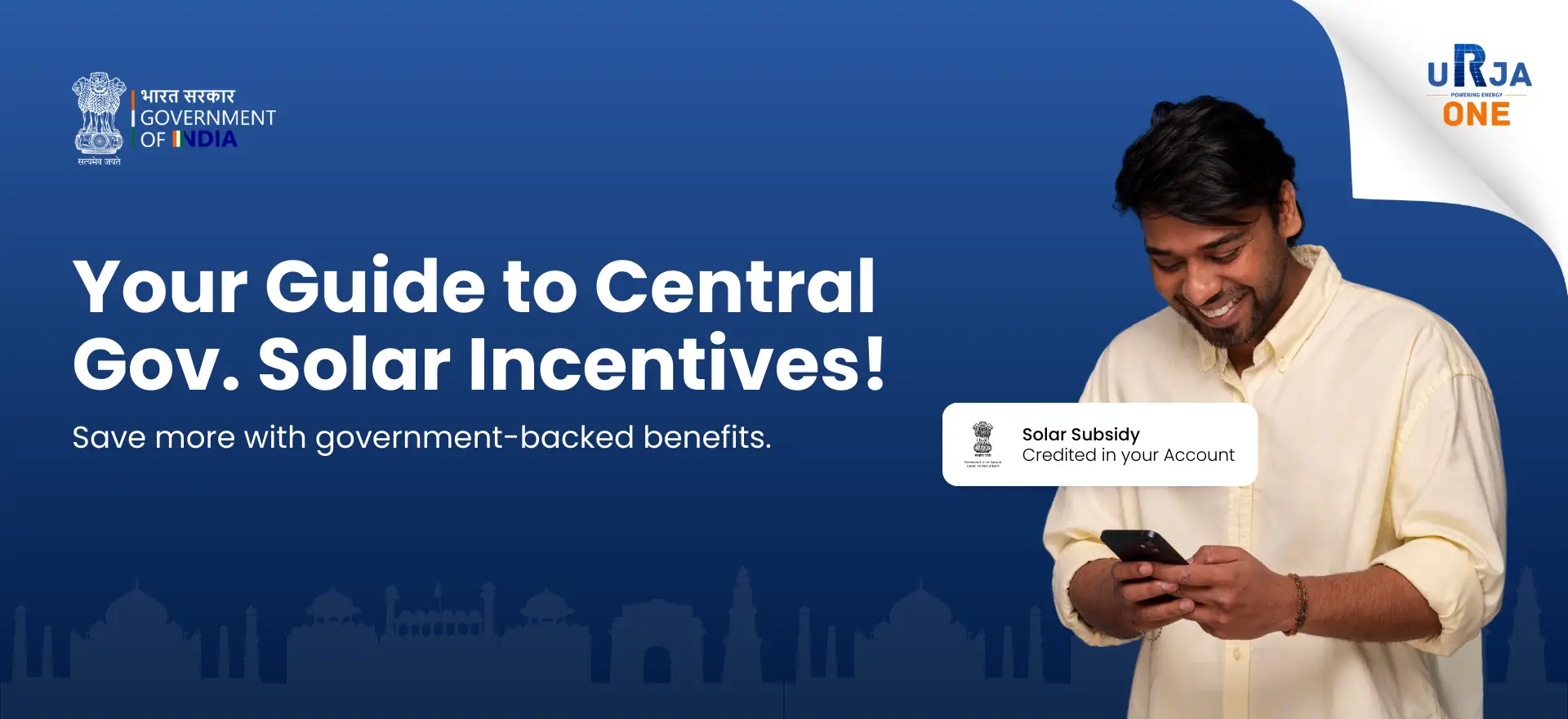
Your Guide To Central Gov. Solar Incentives!
1. Introduction
The sun, a limitless source of solar energy, offers a promising pathway toward a sustainable future. The Indian government sees the potential in solar energy. They have created a strong subsidy for solar panels.
This aims to encourage people to install rooftop solar systems. This is especially for homes and Group Housing Societies or Resident Welfare Associations (GHS/RWAs). This blog explains the central government's solar subsidy scheme. You can benefit from it and reduce your electricity bill. This is possible through grid-connected rooftop systems and using a net meter.
2. The Power of Central Financial Assistance (CFA) under PM Surya Ghar Muft Bijli Yojana
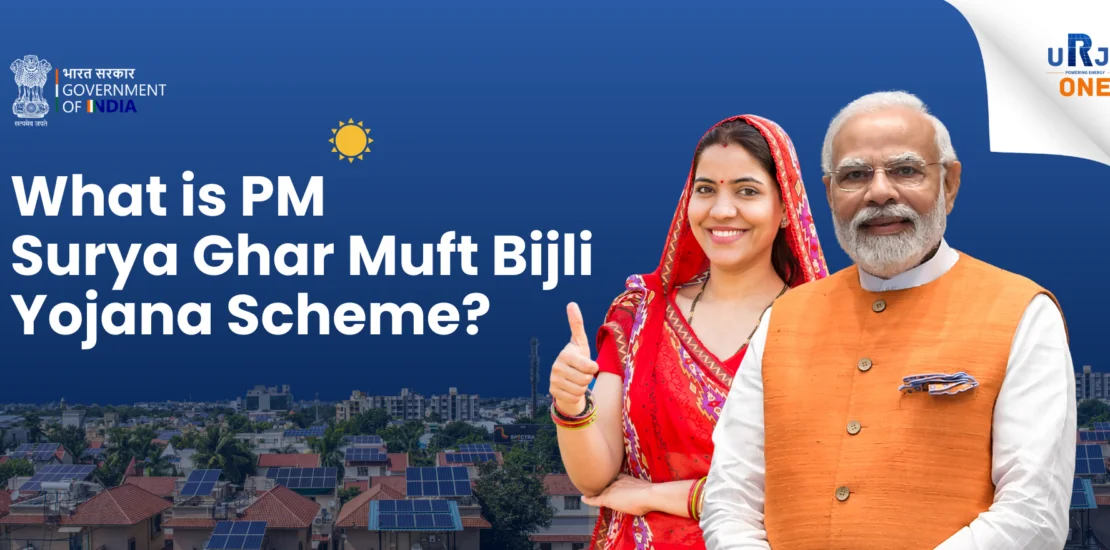
The Ministry of New and Renewable Energy (MNRE) gives Central Financial Assistance (CFA). This helps make solar energy cheaper for homeowners and communities. It is part of the PM Surya Ghar Muft Bijli initiative.
This plan aims to lower electricity bills. It also promotes self-reliance and helps India reach its renewable energy goals. This makes it easier to decide to install solar panels.
3. Subsidy for Residential Households
The CFA for residential households is designed to meet different energy needs. Subsidies for solar panels are important for encouraging adoption.
3.1 Initial Capacity (Up to 2 kW)
A subsidy of ₹30,000 per kW is available. This helps families install solar panels for their needs.
A 2 kW system can receive a subsidy of up to ₹60,000. This lowers the initial cost a lot. You can also save money on your electricity bill over time.
3.2 Additional Capacity (Up to 3 kW)
For systems over 2 kW, an extra subsidy of ₹18,000 per kW is available. This applies for capacity up to 3 kW. It encourages the installation of larger rooftop solar plants.
A 3 kW system will get ₹60,000 for the first 2 kW. It will also receive ₹18,000 for the extra 1 kW. This adds up to a total of ₹78,000. This is a great incentive to install rooftop solar.
3.3 Total Subsidy Cap
The total subsidy for systems over 3 kW is limited to ₹78,000. This makes larger rooftop solar systems a good choice for people who use more energy. Any residential system larger than 3 kW will receive a maximum subsidy of ₹78,000.
4. Matching Solar Capacity to Household Consumption
| Monthly Consumption (Units) | Suitable Rooftop Solar Plant Capacity | Subsidy Support |
|---|---|---|
| 0-150 | 1–2 kW | ₹30,000 to ₹60,000 |
| 150–300 | 2–3 kW | ₹60,000 to ₹78,000 |
| >300 | Above 3 kW | ₹78,000 |
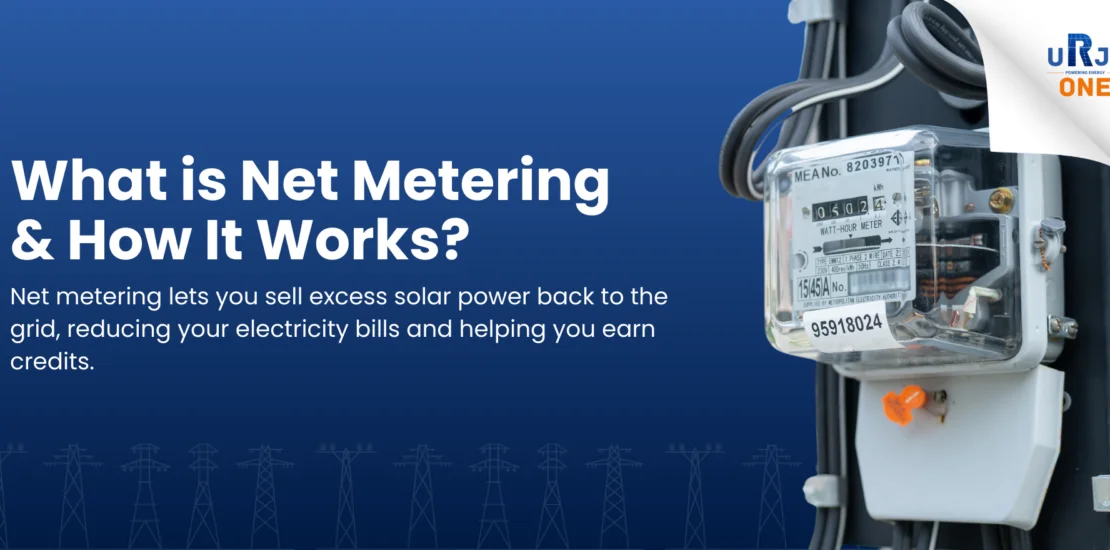
To join this program, the household needs a valid electricity connection and a bank account. This is necessary for easy transfer of the Central Financial Assistance (CFA). Understanding what a net meter does is important for getting the most from a rooftop system connected to the grid.
5. Subsidy for Group Housing Societies / Resident Welfare Associations (GHS/RWAs)
5.1 Subsidy Details
You can get ₹18,000 per kW for common facilities. This includes EV charging. This subsidy encourages solar rooftop installation in communities.
Capacity: Up to 500 kW (3 kW per house). The 500 kW limit includes individual rooftop solar plant installations by residents in the GHS/RWA, collectively contributing to solar energy adoption.
6. Streamlined Application Process
To simplify the subsidy for solar panels application process, the government has launched the National Portal: https://pmsuryaghar.gov.in. This online platform lets homeowners and GHS/RWAs submit their applications to install solar panels. They can get help from the Central Financial Assistance (CFA). The Ministry of New and Renewable Energy (MNRE) provides this assistance.
7. Important Notes
For more information about the PM Surya Ghar Muft Bijli Yojana, visit the official website. You can also find details about Central Financial Assistance (CFA) there. To apply for the rooftop solar, it is essential to understand the process, which includes obtaining feasibility approval from discom (electricity distribution companies). Talking to a qualified solar installer is smart.
They can help you determine if your property is suitable for installing solar panels and find the best solar panel system for your needs. They will also explain how rooftop solar installation and net metering work. You can combine state government subsidies with central subsidies, significantly increasing the financial benefits of installing a solar system.
8. Embracing Solar: A Sustainable Future
The central government offers subsidies. This gives homeowners and communities a strong reason to use rooftop solar energy.
Solar energy can help us use less fossil fuel. It can also lower our electricity bills. Plus, it helps create a cleaner and greener future. By using subsidies for solar panels and learning how to install rooftop solar, more households can gain energy independence.
UrjaOne Energy & Solar Services
Explore UrjaOne’s smart energy solutions including solar installation, EV charging infrastructure, energy audits, and utility management services designed to reduce electricity costs and improve energy efficiency.
New Solar Plant Installation
Install grid-connected or off-grid solar power plants for homes, businesses, and industries.

Solar Installation & Services
Complete solar services including installation, system upgrades, and solar plant maintenance.

Energy Audit Services
Identify energy losses and optimize electricity usage for homes, offices, and industries.

Utility & Power Services
Power utility management solutions including metering, energy monitoring, and optimization.
EV Charging Infrastructure
Setup EV charging stations for residential complexes, offices, highways, and commercial sites.
Solar Water Pumps
High-efficiency solar water pumps for agriculture irrigation and industrial water supply.