IR Thermography Audit Services in India
Identify Heat Patterns, Hotspots & Equipment Issues
Identify abnormal heat patterns, electrical hotspots, equipment issues, and potential energy losses using non-contact infrared thermal inspection for electrical systems, equipment, and critical installations.
Explore IR Thermography Audit
IR Thermography Audit
& Thermal Inspection
IR Thermography Audit uses advanced infrared thermal imaging cameras to detect temperature variations and abnormal heat patterns in electrical systems, equipment, and installations without physical contact or interrupting normal operations.
Thermal imaging helps identify areas of excessive heat, electrical hotspots, loose connections, overloaded components, and unusual temperature conditions that may indicate potential equipment or system issues.
By identifying thermal anomalies at an early stage, businesses can support preventive maintenance, improve equipment reliability, reduce unexpected failures, and identify potential areas of energy loss.
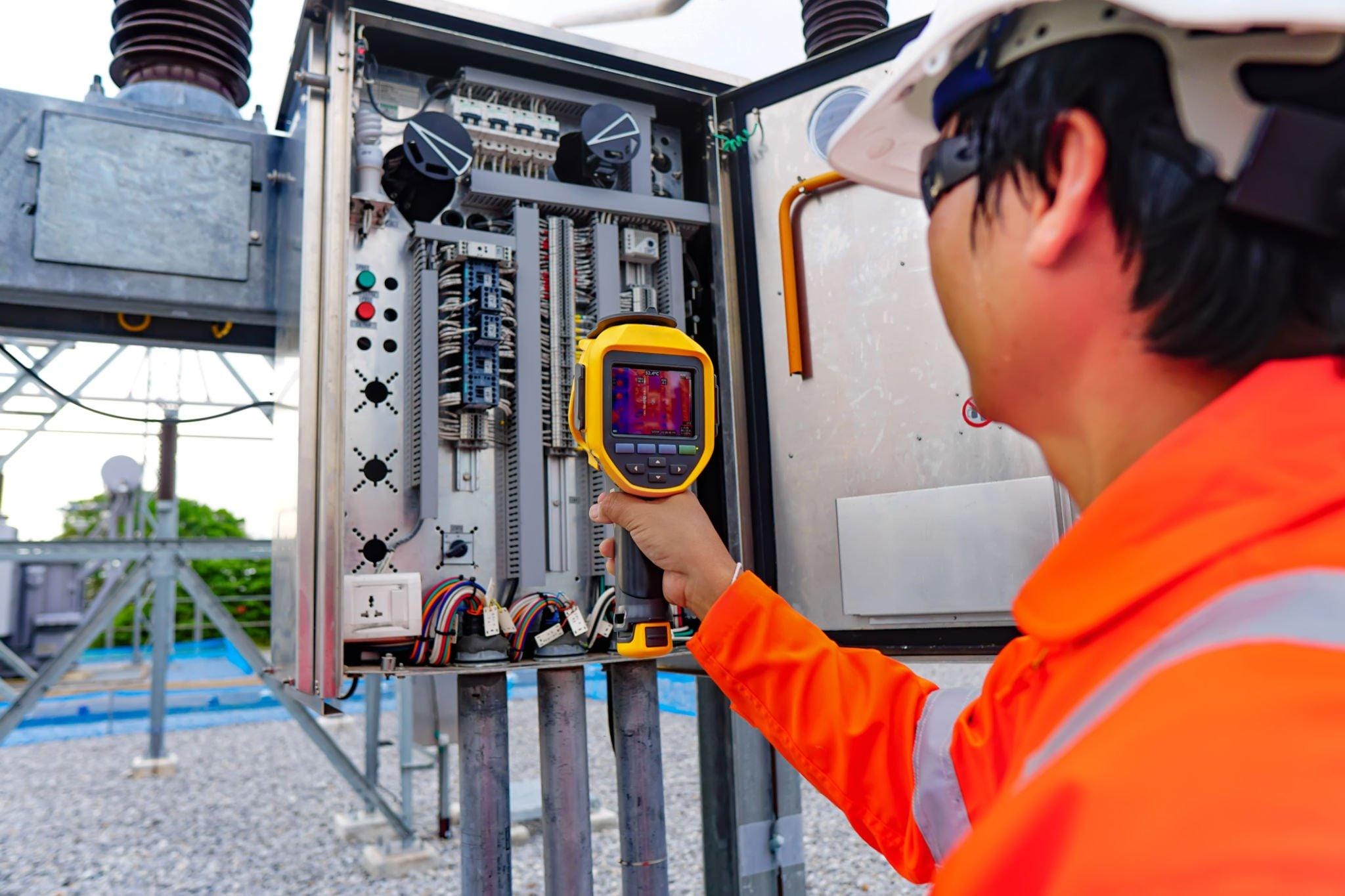
Detect Heat Anomalies Before They Become Problems
Identify abnormal heat patterns, electrical hotspots, equipment issues, and potential energy-loss areas through non-contact thermal inspection.
Key Areas Covered in IR Thermography Audit
We use infrared thermal imaging to identify abnormal heat patterns, electrical hotspots, and potential equipment issues across critical electrical, mechanical, and energy systems.
Electrical Panels & Switchboards
Identify abnormal heating, loose connections, overloaded circuits, and hotspot conditions.
Transformers & Distribution Equipment
Inspect thermal patterns across transformers and electrical distribution equipment.
Cables & Connections
Detect abnormal temperature variations at cable joints, terminals, and electrical connections.
Motors & Rotating Equipment
Assess motors and rotating equipment for unusual thermal conditions and potential issues.
HVAC & Mechanical Systems
Identify abnormal heat patterns in HVAC and mechanical equipment during operation.
Solar PV Systems
Detect thermal anomalies across solar modules, connections, junction boxes, and related components.
Applications of IR Thermography
Infrared thermography can be used across electrical, mechanical, HVAC, and solar systems to identify abnormal thermal conditions, support maintenance, and improve equipment reliability.
Electrical System Inspection
Inspect electrical panels, switchboards, transformers, cables, connections, and other electrical components for abnormal heating and thermal hotspots.
Preventive Maintenance
Use thermal inspection findings to identify abnormal equipment conditions early and support proactive maintenance planning before issues become more serious.
Equipment Condition Monitoring
Monitor thermal patterns across critical electrical and mechanical equipment to identify unusual temperature conditions and support condition-based maintenance.
Energy Loss Identification
Identify abnormal thermal patterns that may indicate heat losses, inefficient equipment operation, or areas requiring further energy performance investigation.
Fault Detection
Detect thermal anomalies associated with loose connections, overloaded components, uneven heating, and other conditions that may require technical investigation.
Safety & Risk Assessment
Use thermal inspection findings to highlight abnormal heating conditions, support equipment risk assessment, and prioritize areas requiring corrective or preventive action.
From Thermal Inspection to Actionable Findings
A structured process covering inspection planning, infrared thermal imaging, temperature analysis, hotspot identification, condition assessment, and detailed recommendations based on observed thermal patterns.
Initial Consultation
Understand the facility, equipment, inspection scope, and specific thermography audit requirements.
Inspection Planning
Identify equipment, electrical systems, operating conditions, and locations to be covered during the thermal inspection.
Thermal Imaging
Capture infrared images and thermal data while equipment is operating under suitable inspection conditions.
Temperature Analysis
Review thermal patterns and identify abnormal temperature variations across inspected components and equipment.
Hotspot Identification
Document significant thermal anomalies and identify areas that may require further inspection or investigation.
Risk & Condition Assessment
Evaluate thermal findings based on equipment condition, operating context, and available reference data.
Report & Recommendations
Provide thermal images, findings, observations, and practical recommendations for addressing identified thermal anomalies.
What You Receive After Your IR Thermography Audit
A clear and practical set of thermal inspection findings, infrared images, equipment observations, risk assessments, and corrective recommendations to support reliable and preventive maintenance.
Thermal Inspection Report
A detailed report covering thermal inspection findings, observed temperature variations, equipment conditions, and key observations.
Infrared Thermal Images
Relevant infrared thermal images highlighting temperature patterns, abnormal heating, and significant thermal conditions.
Hotspot Identification Report
Identification and documentation of electrical and mechanical hotspots requiring attention, monitoring, or further investigation.
Equipment Condition Findings
Thermal observations related to electrical panels, transformers, cables, motors, HVAC systems, solar PV systems, and other inspected equipment.
Risk & Priority Assessment
Assessment of identified thermal anomalies to help prioritize critical findings based on observed conditions and potential equipment risks.
Corrective Action Recommendations
Practical recommendations for addressing thermal anomalies, improving equipment reliability, and supporting preventive maintenance.
Key Benefits of IR Thermography
IR thermography helps detect abnormal heating, identify potential equipment issues, support preventive maintenance, improve electrical safety, and enhance the reliability of critical systems.
 Early Detection of Abnormal Heating
  Preventive Maintenance Support
  Reduced Equipment Downtime
  Improved Electrical Safety
  Better Equipment Reliability
  Energy Loss Identification
 Why Choose UrjaOne for IR Thermography Audit
UrjaOne provides structured IR thermography audit support through professional thermal inspection, detailed analysis, practical recommendations, comprehensive reporting, and actionable findings.
Professional Thermal Inspection
Structured thermal inspection using appropriate infrared imaging techniques to identify abnormal temperature conditions and thermal anomalies.
Detailed Thermal Analysis
Detailed review of thermal patterns, temperature variations, and identified anomalies to support accurate inspection findings.
Practical Recommendations
Clear recommendations based on observed thermal conditions and inspection findings to support corrective and preventive actions.
Comprehensive Reporting
Organized reports including thermal images, observations, findings, and recommended actions for easy review and follow-up.
IR Thermography for Different Industries
We support diverse industries with professional infrared thermal inspections to identify abnormal heating, electrical hotspots, equipment conditions, and potential thermal risks.
Explore IR Thermography ServicesThermal Inspection Across Critical Systems
Identify abnormal heat patterns, thermal hotspots, and unusual temperature conditions across critical electrical, mechanical, and solar systems using non-contact infrared inspection.
Inspection Scope
Electrical • Mechanical • Solar
Electrical Systems
Thermal inspection of critical electrical infrastructure to identify abnormal heating and hotspot conditions.
Mechanical Systems
Monitor thermal behaviour of mechanical equipment to identify unusual heating and potential condition issues.
Solar PV Systems
Detect thermal anomalies across PV modules and associated electrical components to support reliable solar operation.
Inspection Method
Non-Contact Thermal Imaging
Analysis
Thermal Pattern Assessment
Output
Findings & Recommendations
Frequently Asked Questions
Find answers to common questions about IR thermography audits, thermal imaging, equipment inspections, hotspot detection, preventive maintenance, and thermal reporting.
What is an IR thermography audit?
+How does infrared thermography work?
+What equipment can be inspected using thermography?
+Can electrical panels be inspected without shutting them down?
+What problems can thermal imaging help identify?
+Is IR thermography useful for preventive maintenance?
+What is included in an IR thermography report?
+How often should IR thermography inspections be performed?
+
What Our Clients Say
Hear from facility managers, maintenance teams, plant operators, and industrial clients about their experience with our IR thermography inspections, thermal analysis, and actionable recommendations.
Amit Sharma
FACILITY MANAGER
The thermography inspection helped our facility team identify abnormal heating in electrical equipment and prioritize areas requiring further attention.
Rajiv Verma
MAINTENANCE TEAM
The thermal inspection provided useful visibility into electrical hotspots and helped our maintenance team plan preventive actions more effectively.
Vikram Singh
PLANT MANAGER
The IR thermography report gave us clear information about thermal anomalies across critical equipment and helped us focus on priority maintenance requirements.
Karan Malhotra
SOLAR PLANT OPERATOR
The thermal inspection helped us identify unusual temperature patterns in solar PV components and provided practical recommendations for further investigation.
Suresh Gupta
COMMERCIAL BUILDING OWNER
The thermography assessment gave us a better understanding of abnormal heating across building equipment and helped support our preventive maintenance planning.
Anjali Mehta
INDUSTRIAL CLIENT
The inspection process was structured and the final report clearly highlighted thermal findings, equipment observations, and recommended corrective actions.
Let’s Connect
Get Your IR Thermography Audit Consultation
Get expert guidance to identify thermal anomalies, electrical hotspots, equipment issues, and potential maintenance risks.



Trusted carbon-market support for businesses and projects
Explore Related Thermography & Energy Audit Services
Explore our IR thermography audit, electrical inspection, energy audit, equipment assessment, preventive maintenance, and sustainability solutions for commercial and industrial facilities.